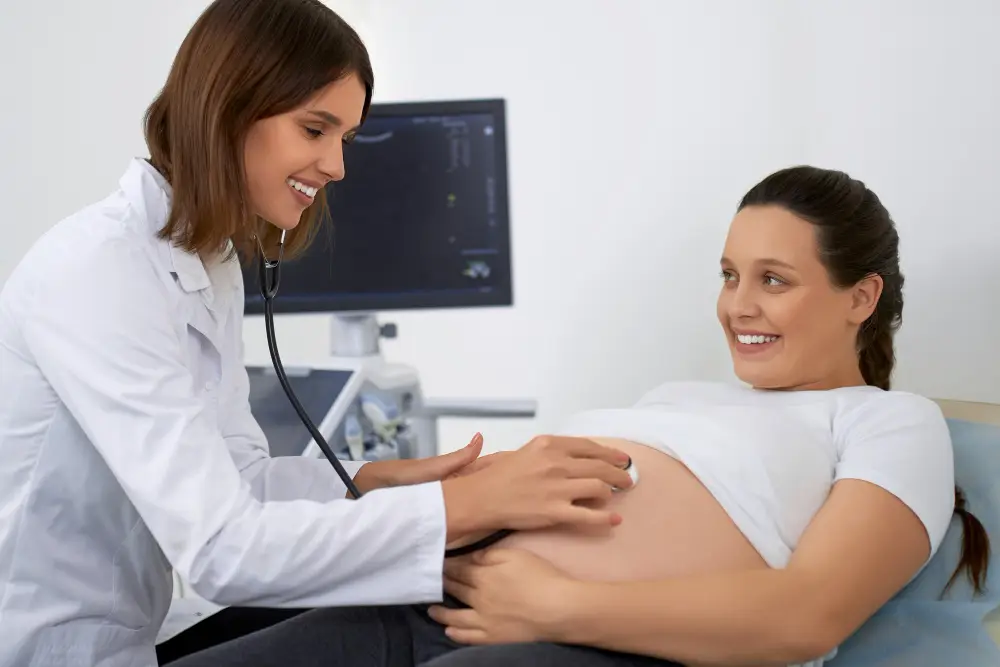
Pregnancy is an important phase that requires regular medical care and monitoring. While many pregnancies progress normally, some require closer observation because of existing health conditions, pregnancy-related complications, or factors that may increase risks for the mother or baby. Timely assessment and appropriate antenatal care can help doctors identify potential concerns early and manage them effectively.
Savkar Hospital provides High-risk pregnancy treatment in Gangapur road Nashik with an emphasis on regular monitoring, personalized pregnancy care, and timely medical evaluation. The aim is to support the health of both mother and baby throughout pregnancy while addressing individual risk factors appropriately.

A high-risk pregnancy is a pregnancy in which the mother, baby, or both may have a higher-than-usual risk of developing complications before, during, or after delivery.
Being classified as high-risk does not necessarily mean that a complication will occur. It means that the pregnancy may require more careful assessment, additional monitoring, or specialized medical management.
The level of monitoring depends on the mother's health, pregnancy history, gestational age, and the specific risk factors involved.
Several factors can increase the likelihood of a high-risk pregnancy. These may include:
High blood pressure or pregnancy-induced hypertension
Diabetes or gestational diabetes
Thyroid disorders
Previous pregnancy or delivery complications
History of miscarriage or recurrent pregnancy loss
Previous preterm birth
Placental problems
Multiple pregnancy, such as twins
Maternal age-related pregnancy risks
Certain heart, kidney, or other medical conditions
Abnormal fetal growth
Certain abnormalities detected during pregnancy
Pregnancy following assisted reproductive treatment
At Savkar Hospital, High-risk pregnancy treatment in Gangapur road Nashik involves understanding the specific risk factors affecting the pregnancy and creating an appropriate monitoring and management plan.
Depending on the situation, care may include:
Regular antenatal consultations help track the mother's health and the baby's development. Blood pressure, weight, symptoms, laboratory investigations, and other relevant parameters may be monitored according to the pregnancy's requirements.
Conditions such as high blood pressure, gestational diabetes, anemia, and thyroid disorders may require careful monitoring during pregnancy. Appropriate investigations and treatment can help reduce potential complications.
Depending on the pregnancy and medical indications, doctors may recommend ultrasound examinations and other assessments to monitor fetal growth, development, position, placental status, and overall well-being.
Pregnancies involving twins or more babies may require closer monitoring because they can have different nutritional, growth, and delivery considerations compared with a singleton pregnancy.
Women with a history of miscarriage, preterm delivery, pregnancy-induced hypertension, gestational diabetes, or other pregnancy complications may benefit from an individualized antenatal monitoring plan.
If a potential complication is identified, the doctor can assess its severity and determine whether additional investigations, treatment, monitoring, or specialist consultation is required.
Some conditions that may require closer pregnancy monitoring include:
High blood glucose levels developing during pregnancy may require dietary management, blood glucose monitoring, and medical treatment when necessary.
Hypertension during pregnancy can require regular blood pressure assessment and monitoring of both maternal and fetal well-being.
Certain placental conditions may require additional ultrasound monitoring and careful planning during pregnancy.
If the baby appears smaller or larger than expected for gestational age, additional assessments may be recommended.
Women with certain previous pregnancy histories or current pregnancy findings may require closer monitoring for signs associated with premature delivery.
High-risk pregnancy care focuses on identifying potential concerns as early as possible. Regular antenatal appointments allow the doctor to monitor changes in maternal health and fetal development and modify the care plan when required.
High-Risk Pregnancy Treatment in Gangapur Road Nashik focuses on providing appropriate monitoring and medical care based on the individual needs of the pregnancy.
The frequency and type of monitoring depend on the individual pregnancy. Some women may require routine antenatal follow-up, while others may need more frequent assessments.
Pregnant women should seek medical advice promptly if they experience concerning symptoms such as:
Vaginal bleeding
Severe or persistent abdominal pain
Severe headache or visual disturbances
Sudden swelling of the face or hands
Fluid leakage
Reduced or unusual fetal movements after the stage when movements are normally felt
Fever or significant illness
Symptoms that cause concern during pregnancy
Management depends on the underlying risk factors and the stage of pregnancy. A doctor may recommend:
The objective is not to label a pregnancy unnecessarily but to provide the level of monitoring appropriate for the mother's and baby's needs.
Savkar Hospital focuses on individualized maternity and pregnancy care. For women requiring High-risk pregnancy treatment in Gangapur road Nashik, the approach is based on identifying pregnancy-related risks, monitoring maternal and fetal health, and providing appropriate medical guidance throughout the pregnancy.
Each pregnancy has different requirements. The recommended investigations, follow-up schedule, treatment, and delivery planning may therefore vary from one patient to another.
If you have been advised that your pregnancy requires additional monitoring, an early consultation can help determine the appropriate care plan. Savkar Hospital provides maternity and obstetric care based on individual pregnancy needs.
For High-risk pregnancy treatment in Gangapur road Nashik, consult the obstetrician to understand your specific risk factors and the monitoring required during pregnancy.